I'm a Japanese living in Osaka
Introducing delicious foods and sightseeing spots in Japan, and posting articles related to investment as a side business.
The stories of the cafes, restaurants, shops, sightseeing spots, etc. that you stopped by are described without hiding them, so please take a look again.
Updated: Every Friday (restaurant / travel)
Today is sightseeing in Tokyo (Updated on September 2018)
Sushi and Yamatoya in the market in Tsukiji
It will move to Toyosu at the beginning of October. This store is a popular store that competes for 1 and 2 in the Tsukiji market, and there was no line up. You can leave the order to us, and it's reasonably priced at 3,500 yen!!! As soon as I put the "Nodoguro" that I entrusted to me today into my tongue, I was fascinated by the melting touch.
There are suspicious shops in Golden Gai in Shinjuku!!!It was a high threshold for beginners, but it was the "bar for shyness" that accepted me. It was a very homely shop where customers were kind enough to talk to me. The price was about 800 yen per cup with Happy Accounting.(No table charge)
I'm sorry with Segodon!!!
If you are interested, please follow the site and register the video below.
Hello I'm sorry The article could not be uploaded Port of Fukuhara (townscape related to Kiyomori) (Updated in 2019.2)
Kiyomorizuka does not seem to be a grave.It's not as thin as it is in Rokuharamitsuji, but it's dignified.
Hyogo Castle seems to have been around Aeon, like a mansion in the harbor.
I don't know why Kiyomori Bridge got this name, but it was a rugged concrete bridge.
Matsuo is a mound where one of his vassals was replaced when Kiyomori tried to bury 30 people alive as a pillar.(This curse may be the reason for the short life of the Taira administration ...)
If you are interested, please follow the site and register the video below.
Tenjinbashisuji Rokuchome—known locally as “Tenroku”—is an area famous for having the longest shopping street in Japan.
Just nearby, you’ll find a unique and fascinating spot:
The Osaka Museum of Housing and Living.
This isn’t just a typical museum—it’s an immersive experience where you can fully step into Osaka’s past.
■ A Full Recreation of Edo-Period Osaka
The moment you step inside, you’ll be amazed by a complete recreation of an Edo-period town.
Take the elevator up, and as soon as the doors open—you’re no longer in the present day.
Traditional townhouses line the streets, lanterns glow softly, and it feels like you’ve walked onto the set of a historical drama.
But what makes it special is that it’s not just for viewing—you can actually walk through the town.
Explore narrow alleys, peek inside homes, and experience what life was like back then in a very real way.
■ From Day to Night: A Changing Atmosphere
One of the highlights of this museum is how time passes through lighting effects.
At first, the town appears in bright daylight.
But gradually, the lights dim, and the scene transforms into night.
Lanterns begin to glow, completely changing the atmosphere.
This clever presentation sets it apart from typical museums—you’ll find yourself walking around multiple times without even realizing it.
■ Kimono Experience for Full Immersion
You can also rent a kimono inside the museum (for an additional fee).
Walking through the streets in traditional attire makes you feel like a true resident of the Edo period.
It’s also a perfect setting for photos—great for social media and memorable travel shots.
Whether you’re a tourist or a local, it’s surprisingly exciting.
■ Don’t Miss the Modern Osaka Exhibits
The museum doesn’t stop at the Edo period.
There are also exhibits covering life in Osaka during the Meiji, Taisho, and Showa eras.
Through detailed models and displays, you can see how everyday life in Osaka has evolved over time.
The recreated retro homes and appliances add a nostalgic touch.
■ Easy Access Makes It Even Better
The nearest station is Tenjimbashisuji 6-chome Station.
It’s directly connected, so you can visit without worrying about the weather.
It’s also a great idea to combine your visit with a stroll through the Tenjinbashisuji Shopping Street.
■ Final Thoughts: A Must-Visit Spot to Experience Osaka Life
The Osaka Museum of Housing and Living offers:
An immersive Edo-period town you can walk through
Realistic day-to-night transitions
Optional kimono experiences
Excellent accessibility
Honestly, the level of detail exceeded my expectations.
It’s a place you can enjoy whether you’re traveling solo, on a date, or just exploring Osaka.
If you’re in the Tenroku area, this is definitely worth a visit!
If you are interested, please follow the site and register the video below.
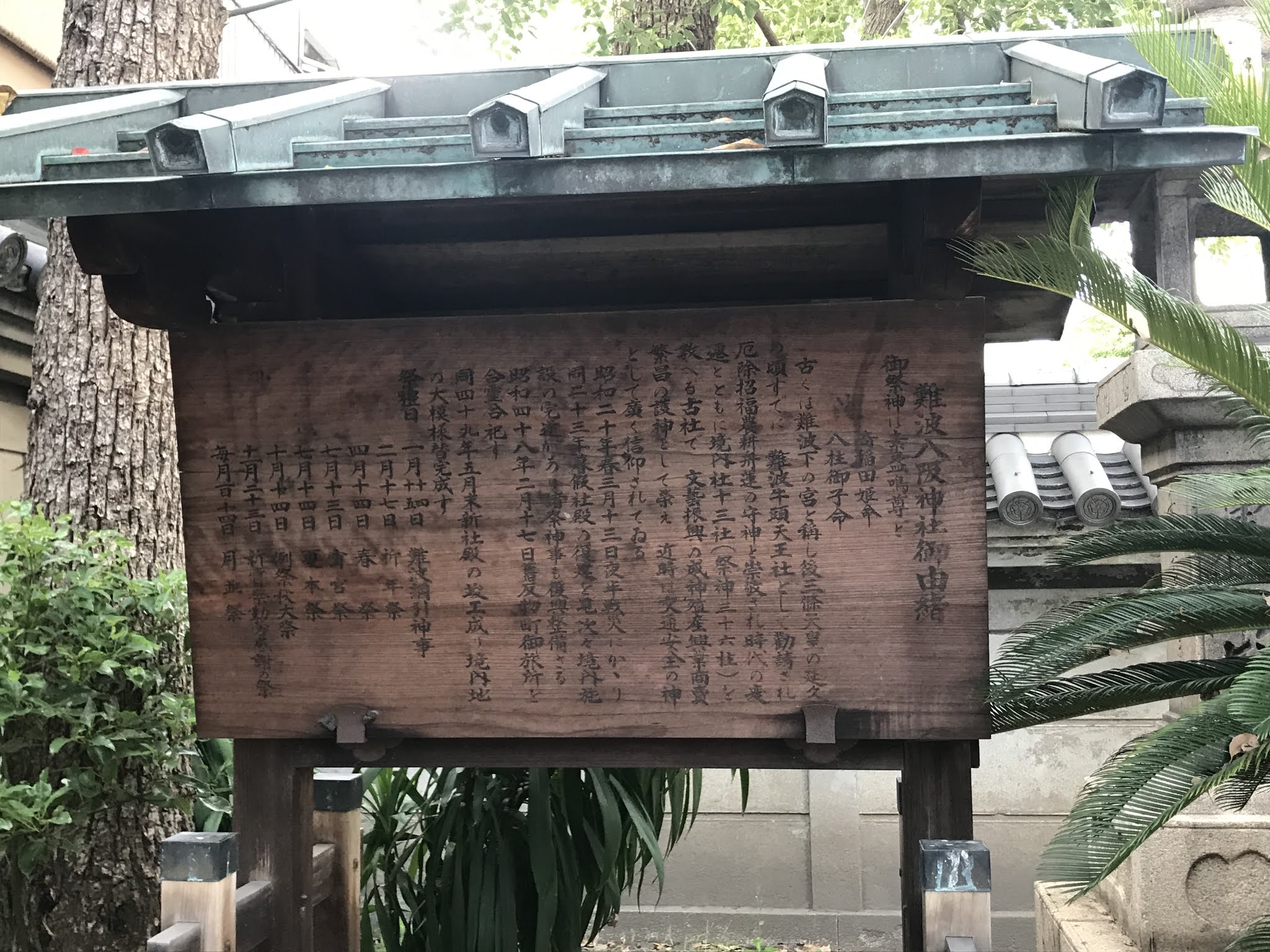
During the time of Emperor Nintoku, when a plague began to spread around this area, Gozu-Tennou appeared, and it is said that our company started by worshiping this.
The current main shrine was completed in May 1974 (Showa 49).
Like the main shrine, it is famous for its large lion-head-shaped stage, which was completed in May 1974 and enshrines the soul of Susanoo-no-Mikoto.
The Shishiden, completed in 1974, is 12 meters high, 10 meters deep and 11 meters wide. It is said that the big mouth of a lion drinks evil spirits and has benefits for academic improvement, employment, and company development.
For the first time in Osaka City, it was designated as an intangible folk cultural property in 2001.
If you are interested, please follow the site and register the video below.

 Sushi and Yamatoya in the market in Tsukiji
 There are suspicious shops in Golden Gai in Shinjuku! !! It was a high threshold for beginners, but it was the "bar for shyness" that accepted me.